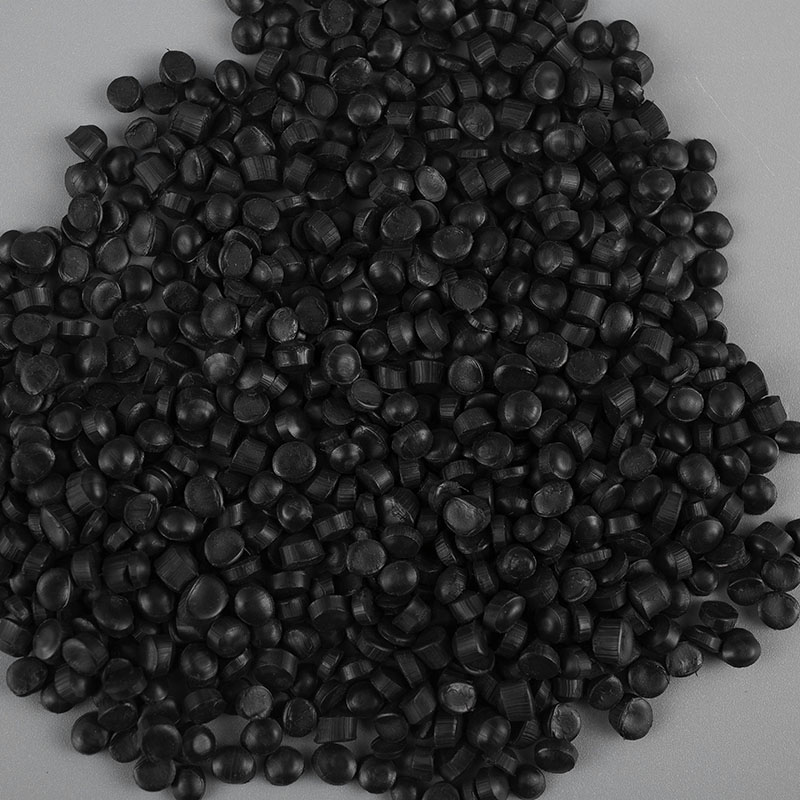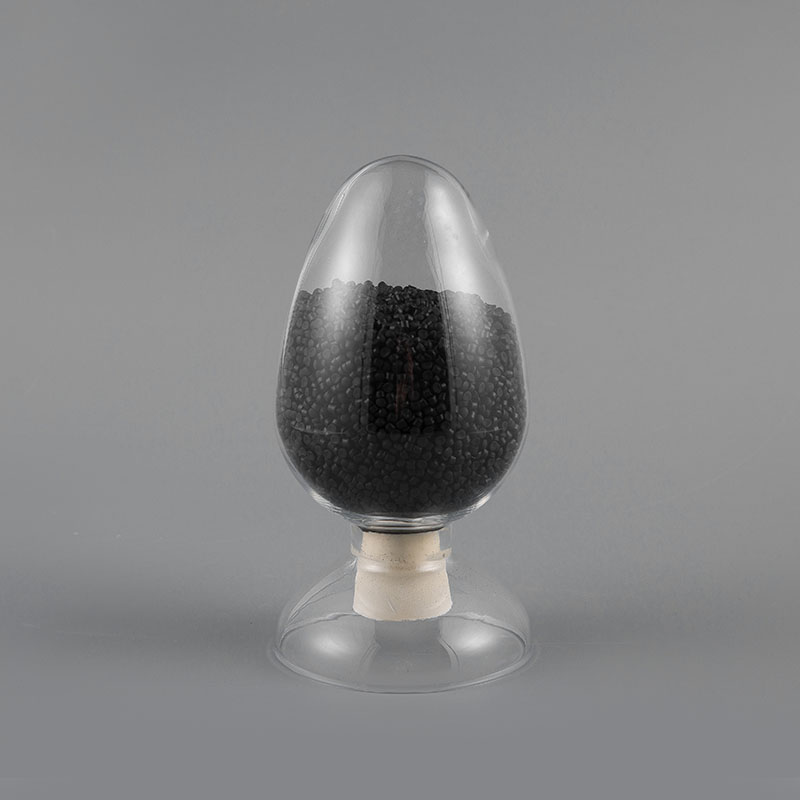
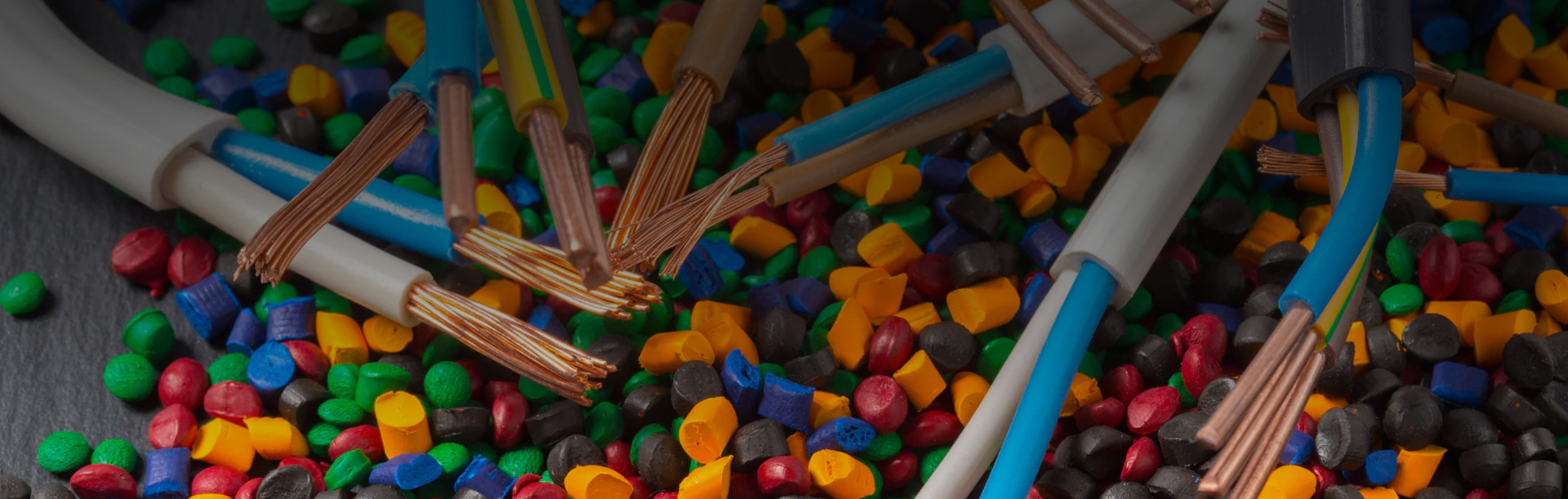
Altyapı ve iletişim ağlarına yönelik küresel pazarda, ** İletişim Kabloları İçin LSZH Bileşenleri ** sıkı yangın güvenliği yönetmeliklerinin gerektirdiği tartışılmaz bir gerekliliktir. Düşük Duman Sıfır Halojen malzemelerin kullanılması, yanma sırasında yoğun duman ve aşındırıcı, zehirli gazların emisyonunu önleyerek insan hayatını ve hassas elektronik ekipmanları korur. Kablo üreticileri için uyumluluğun doğrulanması, sıkı **Halojen içermeyen bileşik testi** prosedürlerini ve belirli **LSZH düşük duman yoğunluğu** gerekliliklerine bağlı kalmayı gerektirir. Hangzhou Meilin New Material Technology Co., Ltd., 30 yılı aşkın deneyimi ve üç tesisteki 31 gelişmiş üretim hattıyla, hem yurt içi hem de uluslararası müşteriler için uyumluluk ve üstün performans sağlayan yüksek kaliteli LSZH bileşikleri üretiminde uzmanlaşmıştır.
ML- TH9002B2 Termoplastik LSZH alev geciktirici B2ca sınıfı kılıf malzemesi
LSZH'nin temel prensibi yüksek derecede aşındırıcı yanma ürünlerinin ortadan kaldırılmasıdır.
To confirm that a product qualifies as halogen-free, rigorous **Halogen-free compound testing** procedures must be conducted, primarily the IEC 60754 series. This involves burning the material under controlled conditions and measuring the acidity (pH) and conductivity of the resulting combustion gases. The standard mandates that the pH value must be above $4.3$ (indicating low acidity) and the conductivity must be below $10 \mu\text{S}/\text{mm (indicating minimal ionized corrosive content). This ensures the material does not pose a threat to people or cause corrosion damage to nearby infrastructure.
The chemical difference between traditional and modern compounds is vital. Standard materials like PVC rely on chlorine (a halogen) to achieve fire retardancy, but combustion releases highly toxic and corrosive Hydrogen Chloride (HCl) gas. **LSZH Compounds For Communication Cables**, conversely, achieve flame retardancy through large loadings of metal hydroxides (e.g., magnesium hydroxide). When heated, these hydroxides decompose endothermically, releasing water vapor to cool the flame and forming a protective char layer, effectively eliminating acid gas release.
Comparison: Compound Type vs. Acid Gas Emission and Environmental Impact:
| Compound Type | Halogen Content | Acid Gas Release During Fire (Corrosivity) |
|---|---|---|
| PVC (Halogenated) | High | High (Releases HCl) |
| İletişim Kabloları İçin LSZH Bileşenleri | Zero | Negligible (Neutralized by metal hydroxides) |
Beyond acid gas, controlling the spread of fire and maintaining visibility are crucial safety factors.
Verification of flame spread resistance relies on strict **Flammability testing standards** such as IEC 60332. The single cable vertical flame test (IEC 60332-1-2) confirms that the jacket material is self-extinguishing and will not propagate the flame. For large installations, more demanding bundle tests (IEC 60332-3) are required. B2B buyers should also review the Limiting Oxygen Index (LOI) of the compound; a higher LOI value (typically $> 30\%$) indicates a stronger resistance to ignition and combustion.
The primary threat in enclosed fires is smoke inhalation and loss of visibility, which hinders evacuation. The IEC 61034 standard dictates how **LSZH Compounds For Communication Cables** must perform regarding smoke emission. The test measures the percentage of light lost over a specified path length when the cable is combusted. Achieving **LSZH low smoke density** requirements means the material must maintain a high percentage of light transmittance (typically $> 60\%$) throughout the test, a key performance metric for **LSZH materials for data cable** jacketing used in tunnels and subways.
Compound processability is tied directly to manufacturing efficiency and final product quality.
The **Processing characteristics of LSZH** are inherently complex due to the heavy loading of non-polymeric mineral fillers required for fire retardancy. This high filler content affects the compound's viscosity and melt strength. Manufacturers must select compounds specifically optimized for high-speed extrusion lines. Poor **Processing characteristics of LSZH** can lead to extruder surging, material degradation, and surface roughness on the final cable jacket, requiring specialized extrusion equipment and precise temperature control.
When using **LSZH materials for data cable** jacketing (e.g., Cat 6, Cat 7), the compound must meet two sets of demanding criteria: fire safety *and* electrical performance. **LSZH Compounds For Communication Cables** used for high-frequency data transmission must have a stable, low relative permittivity and low dissipation factor to minimize signal attenuation and maintain the necessary bandwidth capacity. Compromising on the electrical properties of the **LSZH materials for data cable** jacketing for the sake of fire performance is unacceptable in modern networks.
Sourcing **LSZH Compounds For Communication Cables** is a critical engineering decision that balances fire safety compliance with manufacturing efficiency. Success depends on selecting materials that have passed stringent **Halogen-free compound testing** procedures, meet demanding **LSZH low smoke density** requirements, and exhibit excellent **Processing characteristics of LSZH**. Hangzhou Meilin New Material Technology Co., Ltd. leverages its technological expertise, advanced production lines, and commitment to R&D to provide high-quality **LSZH materials for data cable** jacketing and other specialized compounds that consistently meet global **Flammability testing standards** and performance expectations.
No. 259 Xingyu Caddesi, Lin'an Bölgesi, Hangzhou Şehri, Zhejiang Eyaleti
+86-0571-63763088
BİZE ULAŞIN Yaratıcı projeniz mi var? Verimli bir konuşma yapalım.
Telif hakkı © Hangzhou Meilin Yeni Malzemeler Technology Co., Ltd. Her hakkı saklıdır. Özel Elektrik Teli ve Kablo Malzemeleri Üreticileri